Thursday, August 7, 2008
Uganda Transformational Travel Journal: Thursday, August 7
What expectations do you have of the Ugandan people? Country? Pillars? Yourself? Read through the cultural summaries reports that the group developed. Did this change your perspective? Come up with a list of questions you can ask Ugandans. There may be times when you have an opportunity to fellowship with Ugandans but because of a lack of sleep, the heat, or many other reasons you can’t think of any questions to ask. These questions will help you understand and appreciate their culture, allow you to better minister to them, and help create longer lasting relationships.

Wednesday, August 6, 2008
Uganda Transformational Travel Journal: Wednesday, August 6
Wednesday, August 6
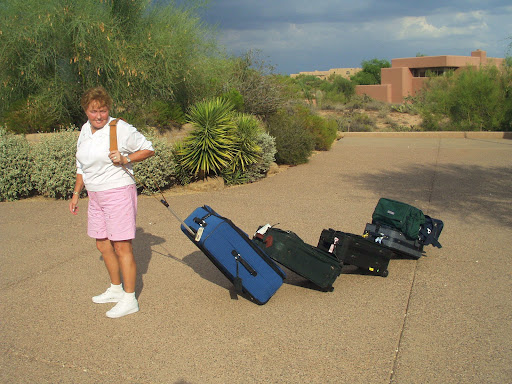
Have you started to pack yet?
Here’s an opportunity to make a list of what you plan to bring – physically, emotionally, intellectually, spiritually, to Uganda, to the group, to the Lord, etc. What do you plan to leave behind?
Tuesday, August 5, 2008
Uganda Transformational Travel Journal: Tuesday, August 5
Uganda Transformational Travel Journal
Tuesday, August 5
Are you ready to share your faith with the people of Uganda? Instead of preparing a defense of the Christian faith, prepare your testimony. Here are three easy steps below.
1. Read Paul’s Testimony in Acts 26.
2. Think about the following questions. When has God worked a miracle in your life? How has He blessed you? How has He transformed you? How has He encouraged you? When has He allowed you to break down, and then came in and healed you? Why do your continue to go to church when there are so many other things you could do?
3. Write a simple three step outline. First, what was your life like before your experience of faith? Second, how did God transform you or use you? Third, how have you lived in a different manner since that time?
Try sharing this testimony with somebody in the US before sharing it in a foreign country.
Tuesday, August 5
Are you ready to share your faith with the people of Uganda? Instead of preparing a defense of the Christian faith, prepare your testimony. Here are three easy steps below.
1. Read Paul’s Testimony in Acts 26.
2. Think about the following questions. When has God worked a miracle in your life? How has He blessed you? How has He transformed you? How has He encouraged you? When has He allowed you to break down, and then came in and healed you? Why do your continue to go to church when there are so many other things you could do?
3. Write a simple three step outline. First, what was your life like before your experience of faith? Second, how did God transform you or use you? Third, how have you lived in a different manner since that time?
Try sharing this testimony with somebody in the US before sharing it in a foreign country.
Monday, August 4, 2008
Travel Journal: Monday, August 4
Uganda Transformational Travel Journal
Monday, August 4
Yesterday you read a good example to follow. Today’s example is…well…not so good. However it still provides important lessons and insight. Please remember to pray to the Father that the Spirit will provide insight during this time.
Jonah’s transforming travel to Nineveh
Read Jonah 1, 3, and 4
Who transforms in this story, Nineveh or Jonah?
What is the result of Jonah’s travel?
What insight do we gain about the Lord at the beginning of Jonah 3, but Jonah know all along?
What do we learn about the nature of God’s work?
Travel Journal: Sunday, August 3

In preparation for our travels to Uganda, each of the Pillars was given a journal. The following entries are the questions found in the journal. I will post my journal entry as a comment. I hope that this will encourage a wonderful sharing, discussion, and an encouragement to my fellow travelers.
-----------------------------------
Uganda Transformational Travel Journal
Sunday, August 3
One way in which to prepare for the trip is to scour the scriptures for examples of transformational travel, good and bad. Below is a passage you can read in order to gain insight into God’s will in your life. You may have read this story many times. The amazing aspect about scripture is its ability to speak to the seeker’s needs despite the fact that the content never changes. That is why the writer of Hebrews writes, “the word of God is living and active and sharper than any two-edged sword…”
Before starting any Bible reading, start with a prayer for revelation from the Spirit. To dive in without Him is arrogance.
Abram’s transforming travel from Ur
Read Genesis 12:1-8 and Hebrews 11:8-10
What similarities and difference do you see between Abram’s journey and your own?
What emotions do you and Abram share?
What did Abram sacrifice? What do you sacrifice?
On what did Abram have his eyes set? On what are your fixed?
Before starting any Bible reading, start with a prayer for revelation from the Spirit. To dive in without Him is arrogance.
Abram’s transforming travel from Ur
Read Genesis 12:1-8 and Hebrews 11:8-10
What similarities and difference do you see between Abram’s journey and your own?
What emotions do you and Abram share?
What did Abram sacrifice? What do you sacrifice?
On what did Abram have his eyes set? On what are your fixed?
Monday, July 7, 2008
A Goat can Change a Life. Can I?
In this article, sent to me by Priest Horst Olk, the writer talks about the huge impact the gift of a goat can make on an individual, a family, and possibly a nation. Which left me to this bone chilling question, "Will I make a difference?" I know it's not about me. But, will my toil, sweat, and tears improve lives and advance Christ's kingdom? Or should I just send a goat.
---------------------------------------
The Luckiest Girl
By NICHOLAS D. KRISTOF
By NICHOLAS D. KRISTOF
 This year’s college graduates owe their success to many factors, from hectoring parents to cherished remedies for hangovers. But one of the most remarkable of the new graduates, Beatrice Biira, credits something utterly improbable: a goat.
“I am one of the luckiest girls in the world,” Beatrice declared at her graduation party after earning her bachelor’s degree from Connecticut College. Indeed, and it’s appropriate that the goat that changed her life was named Luck.
Beatrice’s story helps address two of the most commonly asked questions about foreign assistance: “Does aid work?” and “What can I do?”
The tale begins in the rolling hills of western Uganda, where Beatrice was born and raised. As a girl, she desperately yearned for an education, but it seemed hopeless: Her parents were peasants who couldn’t afford to send her to school.
The years passed and Beatrice stayed home to help with the chores. She was on track to become one more illiterate African woman, another of the continent’s squandered human resources.
In the meantime, in Niantic, Conn., the children of the Niantic Community Church wanted to donate money for a good cause. They decided to buy goats for African villagers through Heifer International, a venerable aid group based in Arkansas that helps impoverished farming families.
A dairy goat in Heifer’s online gift catalog costs $120; a flock of chicks or ducklings costs just $20.
One of the goats bought by the Niantic church went to Beatrice’s parents and soon produced twins. When the kid goats were weaned, the children drank the goat’s milk for a nutritional boost and sold the surplus milk for extra money.
The cash from the milk accumulated, and Beatrice’s parents decided that they could now afford to send their daughter to school. She was much older than the other first graders, but she was so overjoyed that she studied diligently and rose to be the best student in the school.
An American visiting the school was impressed and wrote a children’s book, “Beatrice’s Goat,” about how the gift of a goat had enabled a bright girl to go to school. The book was published in 2000 and became a children’s best seller — but there is now room for a more remarkable sequel.
Beatrice was such an outstanding student that she won a scholarship, not only to Uganda’s best girls’ high school, but also to a prep school in Massachusetts and then to Connecticut College. A group of 20 donors to Heifer International — coordinated by a retired staff member named Rosalee Sinn, who fell in love with Beatrice when she saw her at age 10 — financed the girl’s living expenses.
A few years ago, Beatrice spoke at a Heifer event attended by Jeffrey Sachs, the economist. Mr. Sachs was impressed and devised what he jokingly called the “Beatrice Theorem” of development economics: small inputs can lead to large outcomes.
Granted, foreign assistance doesn’t always work and is much harder than it looks. “I won’t lie to you. Corruption is high in Uganda,” Beatrice acknowledges.
A crooked local official might have distributed the goats by demanding that girls sleep with him in exchange. Or Beatrice’s goat might have died or been stolen. Or unpasteurized milk might have sickened or killed Beatrice.
In short, millions of things could go wrong. But when there’s a good model in place, they often go right. That’s why villagers in western Uganda recently held a special Mass and a feast to celebrate the first local person to earn a college degree in America.
Moreover, Africa will soon have a new asset: a well-trained professional to improve governance. Beatrice plans to earn a master’s degree at the Clinton School of Public Service in Arkansas and then return to Africa to work for an aid group.
Beatrice dreams of working on projects to help women earn and manage money more effectively, partly because she has seen in her own village how cash is always controlled by men. Sometimes they spent it partying with buddies at a bar, rather than educating their children. Changing that culture won’t be easy, Beatrice says, but it can be done.
When people ask how they can help in the fight against poverty, there are a thousand good answers, from sponsoring a child to supporting a grass-roots organization through globalgiving.com. (I’ve listed specific suggestions on my blog, nytimes.com/ontheground, and on facebook.com/kristof).
The challenges of global poverty are vast and complex, far beyond anyone’s power to resolve, and buying a farm animal for a poor family won’t solve them. But Beatrice’s giddy happiness these days is still a reminder that each of us does have the power to make a difference — to transform a girl’s life with something as simple and cheap as a little goat.
Tuesday, June 24, 2008
Shackled by the comfort of my couch

After returning from my last trip to Uganda I was in this odd funk. I didn’t know what to do with myself. I didn’t know why God had brought me there. I had a whole mess of questions, mixed with a whole mess of emotions.
I stumbled upon a song by Andrew Peterson that helped me sort out my experience and give purpose to my trip. I hope you take the time to listen to it and that it makes as deep an impact on you as it does on me. Here are some lyrics to the song that are specifically meaningful to me…
-------------------------------------------
‘Cause I’m just a little jealous of the nothing that you have.
I stumbled upon a song by Andrew Peterson that helped me sort out my experience and give purpose to my trip. I hope you take the time to listen to it and that it makes as deep an impact on you as it does on me. Here are some lyrics to the song that are specifically meaningful to me…
-------------------------------------------
‘Cause I’m just a little jealous of the nothing that you have.
You’re unfettered by the wealth of a world that we pretend is gonna last.
They say God blessed us with plenty, I say you’re blessed with poverty
‘Cause you never stop to wonder whether earth is just a little better than the Land of the Free
‘Cause you never stop to wonder whether earth is just a little better than the Land of the Free
Well, I’m weary of the spoils of my ambition
and I’m shackled by the comfort of my couch
I wish I had the courage to deny these of myself
and start to store my treasure in the clouds
‘Cause this is not my home, I do not belong
‘Cause this is not my home, I do not belong
where the antelope and the buffalo roam.
Monday, June 2, 2008
Uganda's Children Work on Dangerous Rock Pile
Uganda's children work on dangerous rock pile
By KATY POWNALL, Associated Press WriterSun Jun 1, 7:19 PM ET
http://news.yahoo.com/s/ap/20080601/ap_on_re_af/uganda_children_on_the_rocks
Stephen Batte works in a quarry under the blazing sun, chipping rocks into gravel with a homemade hammer. It's tiring, boring and dangerous.
Stephen is 9 years old, and has been on the rock pile since he was 4.
"Life has always been hard here," he whispers, carefully positioning a sharp rock before striking it with well-practiced accuracy. "But since my mother died, things have been much harder."
His mother, the woman who taught him to smash rocks when he was a toddler, was killed here in a landslide in August.
His T-shirt torn and his feet bare, Stephen is one of hundreds of people who work in the quarry on the outskirts of Uganda's capital, Kampala. Their shabby figures sit hunched over their heaps of gravel. The chink of metal against stone bounces off the rock faces.
Most of the workers are refugees who fled a civil war in northern Uganda. Now they make 100 Uganda shillings, 6 U.S. cents, for every 5-gallon bucket that they fill with chipped rocks. Stephen works 12 hours a day to fill three buckets.
There's no safety code or protective clothing. The children's arms and legs are covered in scabs from flying stones. Stephen says a friend lost an eye.
Rock falls are frequent. Stephen remembers the one that killed his mother.
"She had left the house early to work," he says through a translator. His voice falters. "We did not know that she was underneath the rocks — not until we saw her sandals.
He remembers her when she was showing him, as a toddler, how to crush stones.
"I sat next to her and she showed me how to hold the hammer. It's not easy and at first I would hit my fingers so I cried a lot. It made my mum very sad but she said we had to earn money to buy food."
Now he works alone at the quarry and spends his meager earnings on food. He sleeps in the crumbling mud hut he used to share with his parents and baby sister. He says his stepfather abandoned them after their mother's death. The sister, 8 months old, was put in an orphanage.
"If I stay in the house I feel lonely and I fear the memories," he explains. "So even though I'm tired when I leave the quarry, I go and play football with my friends."
At the height of the 22-year conflict between the government and a brutal, shadowy rebel group called the Lord's Resistance Army, almost two million people fled. Most ended up in squalid government-controlled camps, but advocacy groups estimate that there are up to 600,000 in the cities.
A truce has enabled many of the camp-dwellers to go home, with food, tools and building materials provided by the government and aid groups. But the urban refugees don't qualify for help and have remained unregistered and invisible.
When Musa Ecweru, the minister of relief and disaster preparedness, visited the quarry, relief workers had to meet his car two miles from the site because his driver couldn't find it.
The normally talkative Ecweru seemed at a loss for words at what he saw, and unable to make firm commitments to help. He admitted that the government "may not have appreciated fully the magnitude" of the problem, and promised to bring it to the government's attention.
Then he gave a group of women and children with whom he spoke $30 and told them to divide it among themselves.
Two months after the minister's visit, Stephen's situation is unchanged.
"I wish I could be helped," he said, picking at a large scab on his knee, "but I cannot see another life for me."
By KATY POWNALL, Associated Press WriterSun Jun 1, 7:19 PM ET
http://news.yahoo.com/s/ap/20080601/ap_on_re_af/uganda_children_on_the_rocks
Stephen Batte works in a quarry under the blazing sun, chipping rocks into gravel with a homemade hammer. It's tiring, boring and dangerous.
Stephen is 9 years old, and has been on the rock pile since he was 4.
"Life has always been hard here," he whispers, carefully positioning a sharp rock before striking it with well-practiced accuracy. "But since my mother died, things have been much harder."
His mother, the woman who taught him to smash rocks when he was a toddler, was killed here in a landslide in August.
His T-shirt torn and his feet bare, Stephen is one of hundreds of people who work in the quarry on the outskirts of Uganda's capital, Kampala. Their shabby figures sit hunched over their heaps of gravel. The chink of metal against stone bounces off the rock faces.
Most of the workers are refugees who fled a civil war in northern Uganda. Now they make 100 Uganda shillings, 6 U.S. cents, for every 5-gallon bucket that they fill with chipped rocks. Stephen works 12 hours a day to fill three buckets.
There's no safety code or protective clothing. The children's arms and legs are covered in scabs from flying stones. Stephen says a friend lost an eye.
Rock falls are frequent. Stephen remembers the one that killed his mother.
"She had left the house early to work," he says through a translator. His voice falters. "We did not know that she was underneath the rocks — not until we saw her sandals.
He remembers her when she was showing him, as a toddler, how to crush stones.
"I sat next to her and she showed me how to hold the hammer. It's not easy and at first I would hit my fingers so I cried a lot. It made my mum very sad but she said we had to earn money to buy food."
Now he works alone at the quarry and spends his meager earnings on food. He sleeps in the crumbling mud hut he used to share with his parents and baby sister. He says his stepfather abandoned them after their mother's death. The sister, 8 months old, was put in an orphanage.
"If I stay in the house I feel lonely and I fear the memories," he explains. "So even though I'm tired when I leave the quarry, I go and play football with my friends."
At the height of the 22-year conflict between the government and a brutal, shadowy rebel group called the Lord's Resistance Army, almost two million people fled. Most ended up in squalid government-controlled camps, but advocacy groups estimate that there are up to 600,000 in the cities.
A truce has enabled many of the camp-dwellers to go home, with food, tools and building materials provided by the government and aid groups. But the urban refugees don't qualify for help and have remained unregistered and invisible.
When Musa Ecweru, the minister of relief and disaster preparedness, visited the quarry, relief workers had to meet his car two miles from the site because his driver couldn't find it.
The normally talkative Ecweru seemed at a loss for words at what he saw, and unable to make firm commitments to help. He admitted that the government "may not have appreciated fully the magnitude" of the problem, and promised to bring it to the government's attention.
Then he gave a group of women and children with whom he spoke $30 and told them to divide it among themselves.
Two months after the minister's visit, Stephen's situation is unchanged.
"I wish I could be helped," he said, picking at a large scab on his knee, "but I cannot see another life for me."
Friday, May 16, 2008
Coffee, Uganda's Largest Export
Coffe is the largest export of Uganda. And if you've had some Uganda Gold, you'll know why they export so much. If you'd like to purchase Uganda Gold Coffee from me, just send me an e-mail. The proceeds benefit the farm workers in Uganda and help me with travel costs to Uganda.
--------------------------------------------------------
Coffee earns Uganda sh440b in 2007
http://www.newvision.co.ug/D/8/220/628207
By David Muwanga
UGANDA earned $265m (about sh440b) in 2007 from coffee exports, making it the leading foreign exchange earner. A report by the Uganda Export Promotion Board, said the revenue from coffee had risen since 2001 when $97m was earned.
The report said the coffee wilt disease had, however, affected production in 21 districts. It said 122,400 out of the 240,000 hectares of the coffee crop in these districts had been infected.
The report also blamed the continued export of green beans for depriving the country of great revenues from processed coffee.
“A plastic container with a capacity of 100gms of blended coffee, both Robusta and Arabica originating from Uganda but processed abroad, costs $14.
“The Ugandan exporter on the other hand fetches only $1.3 by exporting green beans,” the report bemoaned. It indicated that coffee revenue was followed by fish and fish products that fetched $124m in 2007.
The report noted that although the revenue from the fish sector had grown, over-exploitation of fish especially the Nile perch, was a challenge.
“The Nile perch is considered to be nearing maximum sustainable yield, implying a possible collapse of stock levels and loss of supplies for export.
“The sector operates at a disadvantage with respect to export distribution cost due to high freight charges compared to Kenya and Tanzania. There is also lack of effective management of resources.”
“Roads to and from landing sites are in a sorry state and fishing equipment is largely composed of small canoes that affect quality and level of fish catch.”
Fish was followed by tobacco at $66m, while export revenues from tea remained at an average of $30m.
The report named cotton as the worst performing product in the traditional exports crops with earnings dropping to $19m in 2007.
--------------------------------------------------------
Coffee earns Uganda sh440b in 2007
http://www.newvision.co.ug/D/8/220/628207
By David Muwanga
UGANDA earned $265m (about sh440b) in 2007 from coffee exports, making it the leading foreign exchange earner. A report by the Uganda Export Promotion Board, said the revenue from coffee had risen since 2001 when $97m was earned.
The report said the coffee wilt disease had, however, affected production in 21 districts. It said 122,400 out of the 240,000 hectares of the coffee crop in these districts had been infected.
The report also blamed the continued export of green beans for depriving the country of great revenues from processed coffee.
“A plastic container with a capacity of 100gms of blended coffee, both Robusta and Arabica originating from Uganda but processed abroad, costs $14.
“The Ugandan exporter on the other hand fetches only $1.3 by exporting green beans,” the report bemoaned. It indicated that coffee revenue was followed by fish and fish products that fetched $124m in 2007.
The report noted that although the revenue from the fish sector had grown, over-exploitation of fish especially the Nile perch, was a challenge.
“The Nile perch is considered to be nearing maximum sustainable yield, implying a possible collapse of stock levels and loss of supplies for export.
“The sector operates at a disadvantage with respect to export distribution cost due to high freight charges compared to Kenya and Tanzania. There is also lack of effective management of resources.”
“Roads to and from landing sites are in a sorry state and fishing equipment is largely composed of small canoes that affect quality and level of fish catch.”
Fish was followed by tobacco at $66m, while export revenues from tea remained at an average of $30m.
The report named cotton as the worst performing product in the traditional exports crops with earnings dropping to $19m in 2007.
Thursday, May 15, 2008
The Parable of the Pearl of Great Price

The title of this blog comes from two sources. One, Winston Churchill once called and the people of Uganda are still fond of calling Uganda “The Pearl of Africa.” Two, every since reading Chuck Swindoll’s book, Improving Your Serve, this parable of the Pearl of Great Price comes to mind. Here is imaginative version of that parable found in Swindoll’s book.
“I want to buy this pearl. How much is it?”
“Well,” the seller says, “it’s very expensive.”
“But how much,” we ask.
“Well, a very large amount.”
“Do you think I could buy it?”
“Oh, of course, everyone could buy it.”
“But, didn’t you say it was very expensive?”
“Yes.”
“Well, how much is it?”
“Everything you have,” says the seller.
We make up our minds, “All right. I’ll buy it,” we say.
“Well, what do you have?” he wants to know. “Let’s write it down.”
“Well, I have ten thousand dollars in the bank.”
“Good – ten thousand dollars. What else?”
“That’s all. That’s all I have.”
“Nothing more?”
“Well, I have a few dollars in my pocket.”
“How much?”We start digging. “Well, let’s see – thirty, forty, sixty, eighty, a hundred, a hundred twenty dollars.”
“That’s fine. What else do you have?”“Well, nothing. That’s all.”
“Where do you live?” He’s still probing.
“In my house. Yes I have a house.”
“The house, too, then.” He writes that down.
“You mean I have to live in my camper?”“You have a camper? That, too. What else?”
“I’ll have to sleep in my car!”
“You have a car?”“Two of them.”
“Both become mine, both cars. What else?”“Well, you already have my money, my house, my camper, my cars. What more do you want?”
“Are you alone in this world?”“No I have a wife and two children…”
“Oh, yes, your wife and children, too. What else?”
“I have nothing left! I am left alone now.”
Suddenly the seller exclaims. “Oh, I almost forgot! You yourself, too! Everything becomes mine – wife, children, house, money, cars - and you, too.”
Then he goes on. “Now listen – I will allow you to use all these things for the time being. But don’t forget they are mine, just as you are. And whenever I need any of them you must give them up, because now I am the owner.”
In order to inherit the kingdom of heaven, we are not called to give up ice cream, or swearing, or the niceties of life. We’re called to give up everything. After going to Uganda I was ready to give it all up. Over the last two years I’ve grown cold and callous. I hope the Spirit moves me again.
“I want to buy this pearl. How much is it?”
“Well,” the seller says, “it’s very expensive.”
“But how much,” we ask.
“Well, a very large amount.”
“Do you think I could buy it?”
“Oh, of course, everyone could buy it.”
“But, didn’t you say it was very expensive?”
“Yes.”
“Well, how much is it?”
“Everything you have,” says the seller.
We make up our minds, “All right. I’ll buy it,” we say.
“Well, what do you have?” he wants to know. “Let’s write it down.”
“Well, I have ten thousand dollars in the bank.”
“Good – ten thousand dollars. What else?”
“That’s all. That’s all I have.”
“Nothing more?”
“Well, I have a few dollars in my pocket.”
“How much?”We start digging. “Well, let’s see – thirty, forty, sixty, eighty, a hundred, a hundred twenty dollars.”
“That’s fine. What else do you have?”“Well, nothing. That’s all.”
“Where do you live?” He’s still probing.
“In my house. Yes I have a house.”
“The house, too, then.” He writes that down.
“You mean I have to live in my camper?”“You have a camper? That, too. What else?”
“I’ll have to sleep in my car!”
“You have a car?”“Two of them.”
“Both become mine, both cars. What else?”“Well, you already have my money, my house, my camper, my cars. What more do you want?”
“Are you alone in this world?”“No I have a wife and two children…”
“Oh, yes, your wife and children, too. What else?”
“I have nothing left! I am left alone now.”
Suddenly the seller exclaims. “Oh, I almost forgot! You yourself, too! Everything becomes mine – wife, children, house, money, cars - and you, too.”
Then he goes on. “Now listen – I will allow you to use all these things for the time being. But don’t forget they are mine, just as you are. And whenever I need any of them you must give them up, because now I am the owner.”
In order to inherit the kingdom of heaven, we are not called to give up ice cream, or swearing, or the niceties of life. We’re called to give up everything. After going to Uganda I was ready to give it all up. Over the last two years I’ve grown cold and callous. I hope the Spirit moves me again.
Tuesday, May 13, 2008
Give of Your Best..
Mike Erre’s book, The Jesus of Suburbia, is a book meant to push Christians beyond the comfort of a suburbanized, safe Christianity. Here’s an excerpt that seems even more powerful given the upcoming trip to Uganda.
"I'm inspired by the many college students in our church who take what are called the 'best years' of their lives and spend them on the poor, the needy, and the outcasts. When a team from our church recently left on a two-week mission trip to India, a young woman among them was making a one-way trip. She intends to stay for three years (maybe more) and minister to prostitutes and sex slaves.
What would happen if such giving began to characterize our churches? What would happen if we took the best of our resources and refused to spend them on ourselves but instead invested them in making the world a better reflection of Jesus? What would happen? People need to see what we are for, not just what we are against. So much of our message is tied to what the Christian opposes: Harry Potter, homosexual marriage, abortion, feminism, stem-cell research, et cetera. But what are we for? The world needs to know we stand for faith, love, truth, beauty, grace, compassion, kindness, and courage. The only way they will know is if we show them. Words, these days, are meaningless."
The sentence prior to this excerpt is exciting and depressing, "Luke reminds us that in the early church, 'there were no needy persons among them.' (Luke 4:32-35)"
My how Christianity has changed! Lord, change me. Help me to cheerfully give of my best so that the world can see the true image of your Son - the faithful, loving, truthful, beautiful, graceful, compassionate, kind, and courageous one.
"I'm inspired by the many college students in our church who take what are called the 'best years' of their lives and spend them on the poor, the needy, and the outcasts. When a team from our church recently left on a two-week mission trip to India, a young woman among them was making a one-way trip. She intends to stay for three years (maybe more) and minister to prostitutes and sex slaves.
What would happen if such giving began to characterize our churches? What would happen if we took the best of our resources and refused to spend them on ourselves but instead invested them in making the world a better reflection of Jesus? What would happen? People need to see what we are for, not just what we are against. So much of our message is tied to what the Christian opposes: Harry Potter, homosexual marriage, abortion, feminism, stem-cell research, et cetera. But what are we for? The world needs to know we stand for faith, love, truth, beauty, grace, compassion, kindness, and courage. The only way they will know is if we show them. Words, these days, are meaningless."
The sentence prior to this excerpt is exciting and depressing, "Luke reminds us that in the early church, 'there were no needy persons among them.' (Luke 4:32-35)"
My how Christianity has changed! Lord, change me. Help me to cheerfully give of my best so that the world can see the true image of your Son - the faithful, loving, truthful, beautiful, graceful, compassionate, kind, and courageous one.
Tuesday, May 6, 2008
Jinja’s Owen Falls bridge cracks
This is a huge news story. If this bridge were to collapse the country's economy would tank. It's the only way to cross the Nile for Uganda and it's the preferred route for the Democratic Republic of Congo and Rwanda to get coastal access to Kenya's seaport. The link will take you to an aerial picture of the dam and bridge so you can get an idea for the geography. We crossed this bridge twice during our last trip. Just a few miles away is the famous Ling Ling restaurant. -------------------------------------------------------
Monitor Online News
May 7, 2008
Jinja’s Owen Falls bridge cracks
Yasiin Mugerwa & Emmanuel Gyezaho
The 54-year-old Nile Bridge at the Owen Falls Dam in Jinja has developed serious cracks and is on the verge of breaking, an occurrence that only spells doom for a land locked country that heavily depends on its functioning to survive.
To save Uganda’s import and export trade, the government is now desperately looking for about Shs9 billion (5,379,557.681 USD) to keep the bridge working, at least for the next five years. However, it claims only Shs5billion (2,988,500.28592 USD) is available in next financial year’s budget.
“This bridge should be a priority in the next budget because of its importance,” said Mr Byanyima, who also doubles as the chairperson of the Physical Infrastructure Committee. “Finance says there is no money but what if a terrible catastrophe happens to the only bridge we have, what would happen to the country?” he asked.
In an interview with Daily Monitor yesterday, the State Minister for Works, Mr John Byabagambi, confirmed the MPs’ fear, suggesting that the bridge is effectively on its deathbed. “I am not a prophet of doom, but the current bridge cannot last for more than five years,” he said. “It has grown old and has developed various cracks.”
The Nile Bridge, supported by the Owen Falls Dam and built in 1954, is the only road link across River Nile on the eastern route, and as such, is essential to the region’s transportation network. Other land locked countries; Rwanda, Burundi, and the DR Congo, also use this bridge as a link to the coast through eastern Uganda.
Click here for more of the story…
http://www.monitor.co.ug/artman/publish/news/Jinja_s_Owen_Falls_bridge_cracks.shtml
Click here for map...
http://maps.google.com/?ie=UTF8&ll=0.44256,33.188753&spn=0.010171,0.014505&t=h&z=16
http://www.monitor.co.ug/artman/publish/news/Jinja_s_Owen_Falls_bridge_cracks.shtml
Monitor Online News
May 7, 2008
Jinja’s Owen Falls bridge cracks
Yasiin Mugerwa & Emmanuel Gyezaho
The 54-year-old Nile Bridge at the Owen Falls Dam in Jinja has developed serious cracks and is on the verge of breaking, an occurrence that only spells doom for a land locked country that heavily depends on its functioning to survive.
To save Uganda’s import and export trade, the government is now desperately looking for about Shs9 billion (5,379,557.681 USD) to keep the bridge working, at least for the next five years. However, it claims only Shs5billion (2,988,500.28592 USD) is available in next financial year’s budget.
“This bridge should be a priority in the next budget because of its importance,” said Mr Byanyima, who also doubles as the chairperson of the Physical Infrastructure Committee. “Finance says there is no money but what if a terrible catastrophe happens to the only bridge we have, what would happen to the country?” he asked.
In an interview with Daily Monitor yesterday, the State Minister for Works, Mr John Byabagambi, confirmed the MPs’ fear, suggesting that the bridge is effectively on its deathbed. “I am not a prophet of doom, but the current bridge cannot last for more than five years,” he said. “It has grown old and has developed various cracks.”
The Nile Bridge, supported by the Owen Falls Dam and built in 1954, is the only road link across River Nile on the eastern route, and as such, is essential to the region’s transportation network. Other land locked countries; Rwanda, Burundi, and the DR Congo, also use this bridge as a link to the coast through eastern Uganda.
Click here for more of the story…
http://www.monitor.co.ug/artman/publish/news/Jinja_s_Owen_Falls_bridge_cracks.shtml
Click here for map...
http://maps.google.com/?ie=UTF8&ll=0.44256,33.188753&spn=0.010171,0.014505&t=h&z=16
http://www.monitor.co.ug/artman/publish/news/Jinja_s_Owen_Falls_bridge_cracks.shtml
Our Family Article
Below is the article that appeared in the Our Family publication from our 2006 trip to Uganda...
Uganda – The Pearl of Africa
As fifteen Pillar Youth from the United States traveled through the wilds of Uganda, they uncovered countless pieces of evidence that Uganda truly is the “Pearl of Africa”. During the journey, the Pillars – single New Apostolic Christians between the ages of 21 and 36 – spent time ministering to the needs of our Uganda family.
Over their ten day stay the Pillars were involved in all sorts of missionary activities. They painted the Busia town church. They met in the homes of members from the Namashisyo congregation and brought encouragement and gifts. They played with the orphans; gladdened widows; and gave out candy, toiletries, and balsa wood airplanes to hundreds of Ugandan children and youth. The group also hosted a Sunday School seminar in Kampala and started five sister congregation programs.
The trip came to a climax as the Pillar Youth from the USA met more than 800 Ugandan youth from all over the country at the annual Day of the Youth weekend in Masaka. In an unprecedented display of excitement and brotherhood, the youth performed cultural dances from all over their various regions. The Pillars replied by singing the Ugandan national Anthem and various American hymns. The service, held in English by the Apostle Kavuma, centered on the protection God provides to His valued children, who are the apple of his eye.
The Pillars were struck by how happy the people of Uganda are despite the terror of the country’s past dictatorships and present rebel activity in the North. Though poor by the standards of the Western World, they are truly rich in joy, faith, and brotherly love. Our Pillars returned truly enriched by the many experiences they lived through and are thrilled with the many bonds of friendship that were created with our brothers and sisters. Although half-way around the world, our New Apostolic family in Uganda shares the same love for the Lord’s work as we do.
Winston Churchill was wrong. It is not the beautiful landscapes that make Uganda a pearl. It is the people.
Uganda – The Pearl of Africa
As fifteen Pillar Youth from the United States traveled through the wilds of Uganda, they uncovered countless pieces of evidence that Uganda truly is the “Pearl of Africa”. During the journey, the Pillars – single New Apostolic Christians between the ages of 21 and 36 – spent time ministering to the needs of our Uganda family.
Over their ten day stay the Pillars were involved in all sorts of missionary activities. They painted the Busia town church. They met in the homes of members from the Namashisyo congregation and brought encouragement and gifts. They played with the orphans; gladdened widows; and gave out candy, toiletries, and balsa wood airplanes to hundreds of Ugandan children and youth. The group also hosted a Sunday School seminar in Kampala and started five sister congregation programs.
The trip came to a climax as the Pillar Youth from the USA met more than 800 Ugandan youth from all over the country at the annual Day of the Youth weekend in Masaka. In an unprecedented display of excitement and brotherhood, the youth performed cultural dances from all over their various regions. The Pillars replied by singing the Ugandan national Anthem and various American hymns. The service, held in English by the Apostle Kavuma, centered on the protection God provides to His valued children, who are the apple of his eye.
The Pillars were struck by how happy the people of Uganda are despite the terror of the country’s past dictatorships and present rebel activity in the North. Though poor by the standards of the Western World, they are truly rich in joy, faith, and brotherly love. Our Pillars returned truly enriched by the many experiences they lived through and are thrilled with the many bonds of friendship that were created with our brothers and sisters. Although half-way around the world, our New Apostolic family in Uganda shares the same love for the Lord’s work as we do.
Winston Churchill was wrong. It is not the beautiful landscapes that make Uganda a pearl. It is the people.
Monday, May 5, 2008
News From Uganda

In going to another culture it helps to know what they struggle with, what they value, and how they think. This is especially important if we want to minister to them. Realizing this, I hope to keep you updated on important news stories from Uganda. If you notice any stories in your local newspaper, please let me know.
Commodity prices soar
“The prices of most food items, including those locally produced, have more than doubled since the start of 2008, raising fears that the country could be headed for a food crisis.
Bananas, potatoes, beans, beef and vegetables are exiting to foreign markets in South Sudan, eastern DRC and Rwanda, where growing (and competitive) markets must be satisfied.” http://www.monitor.co.ug/artman/publish/news/Commodity_prices_soar.shtml
Poor Ugandans rise to 9 million - Survey
“New figures show that the number of Ugandans who cannot afford basic needs in life such as food, clothing, water, education and shelter has risen from eight to nine million to date.” http://www.monitor.co.ug/artman/publish/news/Poor_Ugandans_rise_to_9_million_-_Survey.shtml The study shows that nearly 30% of Uganda’s population is impoverished, an increase from 26%. The population of Uganda is 30 million; and is comparable to California’s population of 33 million. Imagine nearly one-third of Californians not being able to meet basic needs.
Ugandan teachers turn to prostitution
“A new study on the HIV/Aids prevalence in communities in northern Uganda reveals that teachers in the region are increasingly taking up prostitution, which they say is more lucrative than teaching.
Teachers are now counted among the vulnerable people along the Kampala –Juba route (South Sudan), where sex trade is increasingly exposing them to the deadly Aids scourge, the Focal Officer for Aids in Emergencies at the Uganda Aids Commission, Ms Joyce Namulondo, has said.
“In Gulu, one of the prostitutes interviewed was a professional teacher. Asked why she had resorted to prostitution, she said she was making a lot of money out of this trade compared to teaching. She said she gets Shs1.5 million ($896 USD) per month out of prostitution,” Ms Namulondo said.
A primary teacher in Uganda earns a monthly salary of Shs130,000 ($77.65 USD) while a secondary teacher earns about Shs250,000 ($149.34 USD) per month. Shs1.5 million ($896 USD) is what a primary teacher may earn in a year.” http://www.monitor.co.ug/artman/publish/news/Ugandan_Teachers_turn_to_prostitution.shtml
Commodity prices soar
“The prices of most food items, including those locally produced, have more than doubled since the start of 2008, raising fears that the country could be headed for a food crisis.
Bananas, potatoes, beans, beef and vegetables are exiting to foreign markets in South Sudan, eastern DRC and Rwanda, where growing (and competitive) markets must be satisfied.” http://www.monitor.co.ug/artman/publish/news/Commodity_prices_soar.shtml
Poor Ugandans rise to 9 million - Survey
“New figures show that the number of Ugandans who cannot afford basic needs in life such as food, clothing, water, education and shelter has risen from eight to nine million to date.” http://www.monitor.co.ug/artman/publish/news/Poor_Ugandans_rise_to_9_million_-_Survey.shtml The study shows that nearly 30% of Uganda’s population is impoverished, an increase from 26%. The population of Uganda is 30 million; and is comparable to California’s population of 33 million. Imagine nearly one-third of Californians not being able to meet basic needs.
Ugandan teachers turn to prostitution
“A new study on the HIV/Aids prevalence in communities in northern Uganda reveals that teachers in the region are increasingly taking up prostitution, which they say is more lucrative than teaching.
Teachers are now counted among the vulnerable people along the Kampala –Juba route (South Sudan), where sex trade is increasingly exposing them to the deadly Aids scourge, the Focal Officer for Aids in Emergencies at the Uganda Aids Commission, Ms Joyce Namulondo, has said.
“In Gulu, one of the prostitutes interviewed was a professional teacher. Asked why she had resorted to prostitution, she said she was making a lot of money out of this trade compared to teaching. She said she gets Shs1.5 million ($896 USD) per month out of prostitution,” Ms Namulondo said.
A primary teacher in Uganda earns a monthly salary of Shs130,000 ($77.65 USD) while a secondary teacher earns about Shs250,000 ($149.34 USD) per month. Shs1.5 million ($896 USD) is what a primary teacher may earn in a year.” http://www.monitor.co.ug/artman/publish/news/Ugandan_Teachers_turn_to_prostitution.shtml
Distance to Uganda

How long does it take to get to Uganda? How many miles away is it? I put this table together to give you an idea.
Friday, May 2, 2008
Having Faith in a Risk Averse Society
 In preparation for the trip, I’m reading books about short term missions. One, Mack and LeAnn’s Guide to Short Term Missions, brought an interesting point about our society that also touches on service last night.
 Mack writes that he was once called by a parent whose child wanted to participate in the missions trip. The father demanded of Mack to give a guarantee of safety. Mack said “no”. He would not. He could not. And, suggested that his daughter not go on the trip.
It’s impossible when traveling to foreign countries to guarantee safety. But even more so, one of the purposes of a missions trip is to experience God. How could we ever have an experience of faith or even hold fast to our faith (Hebrews 4:14) if we never take a chance? When we refuse to act on faith, we have a belief system not faith.
It occurs to me, in America we are so wrapped up in managing risk, in reducing risk. We are risk averse people. We have insurance for everything. We don’t share the gospel unless we’re sure the person will be receptive. We don’t talk to strangers for fear that they may hurt us. We’re paralyzed by fear and our innate desire to minimize risk.
But, if we never risk anything we never gain anything. Like the servant in the parable of the talents we bury our treasure and then loose it.
Tristan at coffee last night used the word, “aggressive.” I like that. Not in the sense that we are called to be a bull in the china shop. But that we are proactive, taking risks when we feel the Spirit’s guidance.
Take a risk and rely on faith!
The Purpose of this Journal
From August 12 to the 27th a group of Pillars will set off to the Pearls of Africa – Uganda. While there we hope to minister to the people in Uganda.
My purpose in starting this journal is so:
Spur myself in to conintually preparing for this trip to Uganda
Help and encourange other Pillars to prepare for their trip to Uganda
Raise awareness of our trip to Uganda amongst friends, family, and church members
Consolidate and display information about resources and news events in Uganda
If you have any ideas on journal entries or questions about the trip please let me know.
Thank,
Scott
My purpose in starting this journal is so:
Spur myself in to conintually preparing for this trip to Uganda
Help and encourange other Pillars to prepare for their trip to Uganda
Raise awareness of our trip to Uganda amongst friends, family, and church members
Consolidate and display information about resources and news events in Uganda
If you have any ideas on journal entries or questions about the trip please let me know.
Thank,
Scott
Subscribe to:
Posts (Atom)